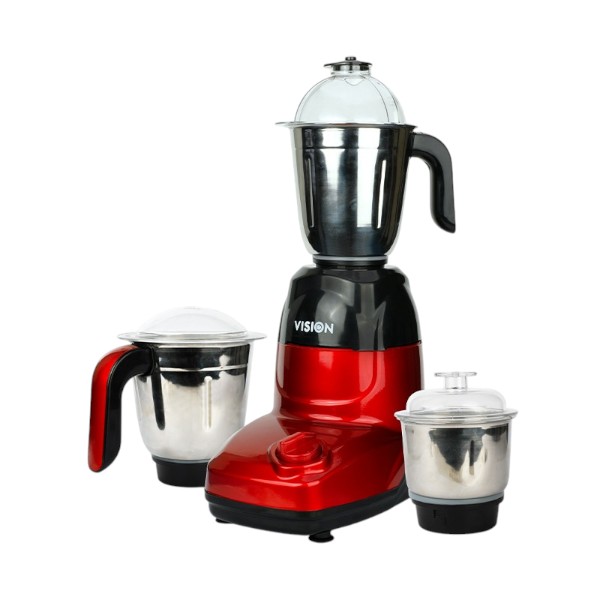
Finding the right kitchen appliances can elevate daily cooking, turning time-consuming meal preparation into a seamless, enjoyable routine. Among the essential appliances found in modern homes, the Vision Blender has earned a strong reputation for offering power, durability, and practical versatility. Whether making fresh smoothies, grinding whole spices, pureeing soups, or mincing meat, choosing the ideal Vision Blender requires matching key appliance features with specific kitchen demands.
Selecting an appliance involves understanding motor wattages, jar configurations, build materials, and safety mechanisms. This comprehensive guide details everything needed to make an informed decision when buying a Vision Blender.
Understanding Your Daily Kitchen Needs
Before examining specific models, evaluate your household’s daily culinary habits. The ideal Vision Blender for a single individual preparing quick protein shakes will differ significantly from a large family requiring heavy-duty spice grinding and daily food preparation.
Identifying Primary Tasks
- Basic Juicing and Smoothies: Preparing fruit juices, yogurt smoothies, or liquid mixes requires moderate motor power and transparent blending jars.
- Dry Grinding: Grinding tough spices, coffee beans, or grains demands high wattage, heavy-gauge stainless steel jars, and reinforced cutting blades.
- Wet Grinding and Pureeing: Making curry pastes, garlic-ginger pastes, or tomato soups requires consistent blade rotation to ensure smooth textures without overheating.
- Mincing and Heavy Food Prep: Processing meat or chopping firm vegetables requires dedicated mincing attachments and high-torque motors.
Motor Power and Wattage Options
The engine of any appliance dictates its overall performance and longevity. A Vision Blender comes across a broad spectrum of wattage options, making it crucial to select a motor tailored to your workload.
Light-Duty Motors (300W – 500W)
Lower-wattage units are lightweight, energy-efficient, and compact. A Vision Blender in this range excels at handling soft fruits, liquids, milkshakes, and light sauces. These models suit smaller kitchens, dorm rooms, or households with minimal daily blending requirements.
Medium-Duty Motors (650W – 850W)
For general household use, medium-range power provides a balance of utility and price. An 850W Vision Blender easily crushes ice, purees cooked vegetables, and grinds moderate quantities of dry spices. These models are versatile workhorses designed for regular daily meals.
Heavy-Duty Motors (1000W – 1200W+)
High-wattage models cater to heavy cooking, large families, or frequent meal prep. A 1200W Vision Blender features pure copper coil motors running at high RPMs (often exceeding 20,000 RPM). These units quickly grind hard turmeric, tough grains, or firm meats without straining the motor.
Jar Types, Capacity, and Materials
A top advantage of choosing a multi-functional Vision Blender is the variety of specialized jars provided in 3-in-1 or 4-in-1 combinations. Assessing jar capacity and construction materials ensures your equipment stands up to routine daily use.
Stainless Steel vs. Polycarbonate Jars
- Stainless Steel Jars: High-grade 18-gauge stainless steel jars are ideal for dry grinding and hot purees. They resist staining, cracking, and odor absorption, keeping tough spices or garlic pastes fresh without damaging the container.
- Polycarbonate / PS Jars: Transparent jars are ideal for monitoring liquid smoothie thickness, juices, or batters. High-impact polycarbonate material offers shatter resistance and easy handling.
Choosing the Right Jar Capacity
- Large Juicing Jug (1.4L to 1.6L): Perfect for batch-making juices, milkshakes, or batters for the whole family in one pass.
- Medium Mincer / Wet Jar (1.0L to 1.2L): Excellent for meat mincing, thick curry bases, or large batches of garlic and ginger paste.
- Small Chutney / Grinding Jar (0.4L to 0.5kg): Designed specifically to keep small quantities of hard spices, herbs, or chutneys close to the spinning blade for a finer grind.
Blade Quality and Cutting Technology
The efficiency of a Vision Blender depends heavily on its blade design and construction. High-quality stainless steel multi-head blades (such as 4-blade or 6-blade assemblies) create a vortex that continuously pulls food downward toward the cutting edge.
Look for models equipped with hardened stainless steel blades that resist corrosion and dulling. Sharp, well-engineered blades ensure quick processing, minimizing heat transfer during blending so ingredients retain their natural flavors and nutrients.
Essential Safety Features and Durability
Modern kitchen appliances must prioritize safety, especially when operating high-speed motors. A quality Vision Blender includes several protective design elements:
- Overload Circuit Breaker: Protects the internal motor from burning out if the jar is overfilled or if tough ingredients jam the blades.
- Non-Slip Vacuum Feet: Keeps the appliance anchored securely to the countertop, dampening vibration during high-speed blending.
- Safety Lock Lids: Unbreakable polycarbonate lids with leak-proof rubber gaskets prevent messy spills and accidental splashes during operation.
- Pure Copper Motor Winding: Extends machine life, dissipates heat effectively, and ensures consistent energy performance during long runs.
Maintenance and Ease of Cleaning
An appliance should simplify life, not add tedious cleanup chores. Keep these maintenance factors in mind:
- Removable Blade Assemblies: Models with detachable blades allow thorough cleaning underneath, preventing food residue buildup.
- Smooth Metallic and ABS Exterior: A sleek, durable outer housing can be wiped clean with a damp cloth after splash-heavy meal prep.
- Dishwasher Safe Components: Check if the non-electrical jars and lids are dishwasher-safe to streamline daily cleanup.
Summary Checklist for Buyers
Before purchasing your next Vision Blender, run through this quick checklist to confirm you are picking the best model for your home:
- Power Output: Match the wattage to your cooking habits (300W for simple juices, 750W–850W for everyday family meals, 1000W+ for heavy spice grinding).
- Jar Attachments: Verify that the package includes all required jar sizes (juicer, mincer, and dry grinder).
- Material Quality: Prioritize heavy-gauge stainless steel jars and break-resistant polycarbonate lids.
- Safety Protections: Confirm the inclusion of thermal overload switches and non-slip rubber bases.
- Warranty Support: Ensure your model comes with official manufacturer warranty coverage for motor and service repairs.
Investments in quality food preparation tools pay off daily through saved meal prep time and healthier cooking. Matching motor strength, blade construction, and container setups to your specific daily routine ensures your Vision Blender will serve as a reliable kitchen companion for years to come.