Introduction
Corporate events are an important part of modern business culture. From annual conferences and product launches to award ceremonies, team-building activities, and company celebrations, these occasions give organizations opportunities to communicate their goals, recognize achievements, and strengthen relationships. However, even a well-planned event needs someone who can connect with the audience, maintain a positive atmosphere, and ensure that every segment runs smoothly. This is where a professional corporate emcee becomes valuable.
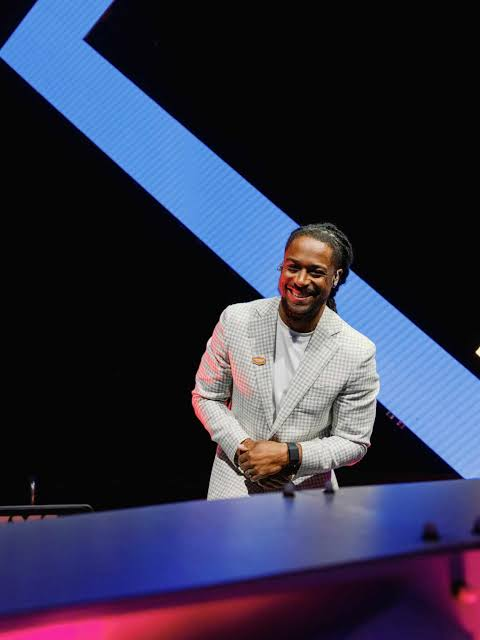
The keyword corporate emcee Will Gill is relevant to businesses looking for an engaging event host who can combine entertainment, audience interaction, and professional presentation. A skilled emcee does more than introduce speakers or announce the next activity. They help establish the event’s personality, encourage participation, and create a memorable experience for attendees.
Understanding what makes a corporate host effective can help organizations choose the right professional for their next important gathering.
Why a Corporate Emcee Matters
A corporate event often involves several moving parts, including presentations, guest speakers, entertainment, networking sessions, and scheduled activities. Without effective coordination, transitions may feel awkward, audience members may lose interest, and the overall program may lack consistency.
A professional emcee serves as the central voice of the event. They introduce important segments, communicate announcements, guide attendees through the schedule, and maintain momentum throughout the occasion.
An experienced host also understands that different audiences require different approaches. A formal leadership conference may need a polished and informative presentation style, while a company celebration may benefit from humor, music, and interactive activities.
By adapting to the occasion, an emcee helps create a balanced atmosphere that supports the event’s objectives while keeping guests engaged.
Corporate Emcee Will Gill and the Value of Audience Engagement
Audience engagement is one of the most important factors in a successful corporate event. Even valuable information can become difficult to absorb when presentations feel repetitive or attendees have limited opportunities to participate.
When researching corporate emcee Will Gill, event organizers may be interested in the role an energetic host can play in creating a more interactive environment. A corporate emcee can encourage participation through thoughtful questions, audience activities, relevant humor, and smooth transitions between program segments.
Engagement does not necessarily mean making every moment loud or entertaining. It means understanding what attendees need and creating opportunities for them to remain involved.
For example, an emcee at a corporate conference might use a brief audience poll to introduce a discussion topic. At an awards ceremony, the host could build anticipation before announcing each recipient. During a company celebration, interactive games may help colleagues connect outside their usual working relationships.
These approaches can make an event feel more personal and enjoyable while supporting its central purpose.
Creating a Strong First Impression
The opening moments of a corporate event can influence how attendees perceive the entire experience. A confident introduction establishes expectations, communicates professionalism, and helps the audience understand why the gathering matters.
A good emcee welcomes guests, introduces the event’s purpose, acknowledges relevant participants, and establishes the appropriate tone. Rather than simply reading a prepared announcement, an effective host delivers the opening with natural enthusiasm and clear communication.
This is particularly important for product launches, business conferences, and corporate meetings where organizations want to present a strong public image.
A carefully planned opening can also reduce uncertainty for attendees. When guests understand the schedule and know what to expect, they can settle into the experience more comfortably.
Maintaining Energy Throughout the Program
Corporate programs can last several hours, and maintaining audience attention throughout the schedule requires planning. Long presentations, technical discussions, and repeated announcements may cause attendees to become distracted.
An experienced emcee helps manage these challenges by varying the pace of the event. They can introduce speakers with concise background information, use appropriate humor to refresh the atmosphere, and create smooth transitions between sessions.
Timing is equally important. A professional host works with event planners to understand the schedule and communicate changes clearly when necessary.
If a presentation runs longer than expected, the emcee may need to adjust the transition or coordinate with the production team. If a technical issue interrupts the program, calm communication can help prevent confusion.
The goal is not to fill every quiet moment with entertainment. Instead, it is to maintain a natural rhythm that allows the event to progress without feeling rushed or disorganized.
The Importance of Professional Communication
Corporate audiences include people with different professional backgrounds, responsibilities, and expectations. An effective emcee must communicate in a way that feels accessible without sacrificing credibility.
Clear pronunciation, appropriate language, confident delivery, and careful listening are essential skills. A host should also know how to introduce executives, welcome special guests, recognize achievements, and communicate important information accurately.
Preparation plays a major role in this process. Before an event, the emcee should become familiar with the organization, its goals, the event theme, speaker names, and the intended audience.
This preparation allows introductions and announcements to feel relevant rather than generic. It also helps the host avoid mistakes that could distract from the event’s message.
When businesses evaluate corporate emcee Will Gill as a potential choice, they should consider how the host’s communication style, experience, and approach align with their specific event requirements.
Supporting Corporate Branding and Messaging
Corporate events are often designed to reinforce a company’s identity. Whether the objective is launching a new product, celebrating business growth, communicating organizational changes, or building customer relationships, the event should reflect the brand’s values.
An emcee can support this objective by connecting individual program segments to the larger message.
For example, a company celebrating an important milestone may want to emphasize teamwork, innovation, and customer success. The host can introduce speakers and activities in ways that reinforce these themes.
Similarly, a product launch may require an energetic presentation that builds curiosity while communicating the product’s main benefits.
Consistency matters. The emcee’s tone, language, and audience interactions should complement the company’s identity rather than compete with it.
By working closely with organizers, a professional host can help make the event feel unified from the opening welcome to the closing remarks.
How to Choose the Right Corporate Emcee
Selecting an emcee requires more than finding someone who speaks confidently in front of a crowd. Businesses should evaluate several factors before making a decision.
Review Relevant Experience
Look for a host whose background matches the event format. A person experienced in conferences may understand speaker coordination and formal presentations, while someone specializing in corporate celebrations may be particularly comfortable with interactive entertainment.
Ask for examples of previous events, relevant references, or performance videos when available.
Evaluate Presentation Style
Every organization has a different idea of the ideal event atmosphere. Some prefer sophisticated and understated hosting, while others want high energy and frequent audience interaction.
Review the emcee’s presentation style to determine whether it suits the company culture and audience expectations.
Discuss Customization
A strong corporate emcee should be willing to understand the event’s goals and prepare accordingly. Discuss the event theme, audience demographics, program structure, preferred tone, and key messages before confirming the booking.
Confirm Technical Requirements
Depending on the event, the host may need to coordinate with audio technicians, lighting operators, musicians, video teams, or event producers. Clarifying these requirements in advance can reduce the likelihood of unexpected problems.
Establish Clear Expectations
Discuss the event schedule, preparation meetings, travel arrangements, fees, performance duration, and contingency plans. Clear communication helps both the organizer and the emcee understand their responsibilities.
Making Virtual and Hybrid Events More Interactive
Many organizations now host virtual and hybrid events to connect employees, customers, and business partners across different locations. These formats create additional challenges because remote participants may find it harder to remain involved.
A skilled emcee can help bridge this gap by acknowledging online attendees, coordinating with moderators, introducing digital polls, and encouraging questions through virtual platforms.
For hybrid conferences, the host should give appropriate attention to both the in-person and remote audiences. Camera positioning, microphone quality, and coordination with technical teams are important considerations.
The right approach ensures that remote participants feel included rather than treated as an afterthought. This can improve the overall experience and help organizations communicate more effectively with distributed teams.
Measuring the Success of a Corporate Event
The value of an emcee should be considered alongside the broader objectives of the event. Businesses can evaluate success by reviewing attendee feedback, participation levels, schedule performance, and the achievement of planned goals.
For example, an employee recognition event may focus on staff satisfaction and a stronger sense of appreciation. A product launch may prioritize audience awareness and interest. A leadership conference may measure success through participation, understanding, and feedback.
Post-event surveys can reveal whether attendees found the program engaging, the information useful, and the schedule well organized.
These insights help companies identify what worked well and what could be improved for future gatherings.
Conclusion
A successful corporate event depends on thoughtful planning, effective communication, and an atmosphere that encourages participation. A professional emcee can bring these elements together by guiding the program, introducing speakers, managing transitions, and helping attendees feel connected to the occasion.
The keyword corporate emcee Will Gill reflects an interest in professional event hosting that combines audience engagement with a polished corporate presentation. When considering Will Gill or any other potential host, organizations should review relevant experience, performance style, customization options, and suitability for their specific goals.
Ultimately, choosing the right corporate emcee is an investment in the attendee experience. With proper preparation and a clear understanding of the event’s purpose, a skilled host can help transform an ordinary business gathering into an organized, engaging, and memorable occasion.