A productive day often depends on more than simply working harder. The way information is organized, how distractions are managed, and how easily important tasks remain visible can have a major effect on daily performance. As work and personal activities become increasingly digital, people are looking for practical ways to keep essential information accessible without constantly switching between applications, phones, and computer windows. This is where a smart desk display can become a valuable part of a modern productivity setup.
A smart desk display can combine useful information, visual organization, notifications, schedules, and personalization in a compact desktop device. Instead of relying entirely on a computer or smartphone, users can place important information directly within their field of view. This simple change can make everyday routines feel more organized and easier to manage.
Understanding the Role of a Smart Desk Display
A smart desk display is designed to provide useful digital information through a dedicated screen positioned on a desk, workstation, or other convenient surface. Depending on its features, it may show time, calendars, reminders, weather, notifications, images, schedules, or other personalized content.
The advantage is not necessarily having more information. The real benefit comes from presenting the right information at the right time. When important details are visible without requiring a phone unlock or application search, users can spend less time navigating between digital tools.
For professionals, students, creators, and remote workers, this can create a more streamlined workspace. A quick glance at the display may provide enough information to understand what needs attention next.
Creating a More Organized Workspace
A cluttered digital environment can contribute to a cluttered workflow. Multiple browser tabs, messaging applications, calendars, and task-management tools can make it difficult to maintain a clear sense of priority.
A smart desk display can act as a visual anchor for the workspace. Instead of opening several applications just to check basic information, users can keep selected details visible on a dedicated screen.
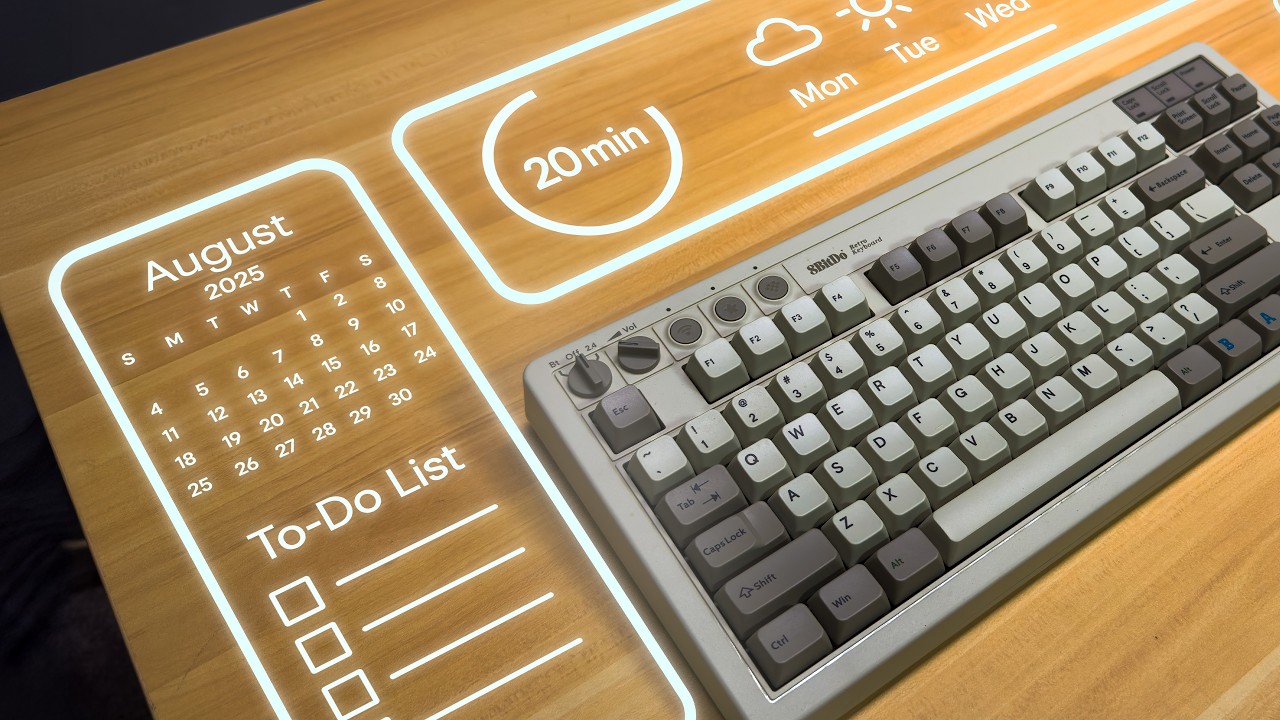
For example, a display might show the current time alongside a calendar appointment or daily reminder. This can encourage users to remain aware of upcoming commitments without interrupting their main task.
The physical presence of a dedicated information screen can also make a desk feel more intentional. Rather than being surrounded by unrelated notifications, users can decide what information deserves their attention.
Supporting Better Time Management
Time management is one of the most important parts of productivity. Even a well-planned schedule can become difficult to follow when work becomes busy.
A smart desk display can provide constant visual access to time-related information. A clock, calendar, countdown, or reminder can help users understand how their day is progressing.
For people who divide their work into focused sessions, a visible timer can be especially useful. It can provide a simple signal for starting a task, taking a short break, or moving to the next activity.
This approach can reduce the need to repeatedly check a smartphone. Since smartphones are designed to provide endless notifications and entertainment, using a separate device for essential information may help limit unnecessary interruptions.
Keeping Priorities Visible
One of the biggest challenges of modern work is remembering what actually matters. Emails, messages, notifications, and minor tasks can quickly compete with important projects.
A smart desk display can help reinforce daily priorities by keeping selected information in a visible location. Users might configure it to show a short task list, motivational message, appointment, or project reminder.
Visibility matters because goals that remain out of sight can easily become forgotten during a busy day. A dedicated display can provide a continuous reminder without requiring users to repeatedly open a productivity application.
The key is to avoid overcrowding the screen. A small number of meaningful priorities can be more effective than displaying every possible piece of information.
Reducing Unnecessary Digital Interruptions
Phones and computers are powerful productivity tools, but they can also become sources of distraction. Checking one notification can easily turn into several minutes of browsing unrelated content.
A smart desk display can provide an alternative for simple information checks. Instead of picking up a smartphone to see the time, calendar, or another basic update, users can simply look at the display.
This does not eliminate digital distractions completely, but it can reduce the number of situations where a productivity task requires interaction with a highly distracting device.
For focused work, this small difference can be valuable. Maintaining concentration often depends on reducing unnecessary context switching.
Personalizing the Daily Experience
Productivity is not identical for everyone. A student may need study schedules and deadlines, while a professional may prefer meeting reminders and work-related information. A creative user might prioritize visual content and inspiration.
A smart desk display can make the workspace more personal by allowing users to choose what appears on the screen. Visual themes, digital artwork, calendars, reminders, clocks, and other information can be arranged according to individual preferences.
Personalization can also make a workspace more enjoyable. A productive environment does not need to feel sterile or purely functional. Thoughtful visuals can add personality while useful information remains accessible.
Helping Students Stay Focused
Students often have to manage classes, assignments, study sessions, breaks, and personal activities simultaneously. A smart desk display can provide a simple visual reference for these responsibilities.
A student could use the display to keep track of a study schedule, examination date, assignment reminder, or countdown to an important deadline.
Because the information remains physically visible, students may not need to repeatedly switch between their laptop, phone, and other applications. This can make a study desk more organized and encourage a more structured routine.
The device can also become part of a consistent study environment. Seeing the same workspace and familiar information each day can help establish a stronger connection between the desk and focused work.
Improving Remote Work Routines
Remote workers often need to create boundaries between professional and personal activities. Without a traditional office environment, it can be easy for meetings, deadlines, and work sessions to blend together.
A smart desk display can support this routine by providing visible scheduling information throughout the workday. Meeting times, reminders, and daily objectives can remain within sight while the primary computer is used for actual work.
This can be particularly useful for people who spend long periods working from home. A dedicated desk display can become part of the physical workspace, helping distinguish work-related activities from everything else happening around the home.
Adding Practical Value Beyond Productivity
Although productivity may be the main reason for using a smart desk display, these devices can offer value beyond task management. Depending on the model, users may also enjoy digital artwork, personalized graphics, ambient visuals, clocks, weather information, or other content.
This combination of function and aesthetics can make the workspace more engaging. A desk does not have to be filled exclusively with conventional office equipment. Modern digital displays can contribute both useful information and visual character.
For creative professionals and technology enthusiasts, this flexibility can make the device particularly appealing.
Choosing Features That Match Your Routine
The best smart desk display is not necessarily the one with the largest number of features. Instead, users should consider which capabilities genuinely support their everyday activities.
Important considerations may include screen quality, connectivity, customization options, ease of use, notification support, scheduling capabilities, and physical size. The display should fit naturally into the available workspace rather than becoming another source of clutter.
It is also useful to think about viewing distance and readability. Information should be easy to understand at a glance. A display that requires users to interact with it constantly may not provide the same productivity benefits as one that communicates information clearly and simply.
Building a Smarter Daily Routine
Technology is most useful when it supports good habits rather than attempting to replace them. A smart desk display can become more effective when combined with simple productivity practices.
Users can begin each morning by checking their priorities, reviewing the day’s schedule, and identifying important deadlines. During work sessions, the display can provide time-related information without requiring a phone check. At the end of the day, it can help users review unfinished tasks and prepare for tomorrow.
Over time, these small interactions can become part of a consistent routine.
The Future of Personalized Workspaces
Modern workspaces are becoming increasingly connected and personalized. Instead of relying on a single computer screen for everything, people are incorporating specialized devices that perform focused functions.
A smart desk display fits naturally into this trend. It can serve as a compact information center while adding visual interest to a desk. By making important information easier to see and reducing the need for unnecessary device switching, it can support a more intentional approach to productivity.
Ultimately, productivity does not come from technology alone. However, the right technology can remove small obstacles that repeatedly interrupt the day. A well-configured smart desk display can keep priorities visible, improve awareness of time, support scheduling, and make a workspace more engaging.
For anyone looking to create a cleaner and more organized daily routine, adding a smart desk display to the workspace can be a simple step toward making everyday productivity more convenient, focused, and personalized.