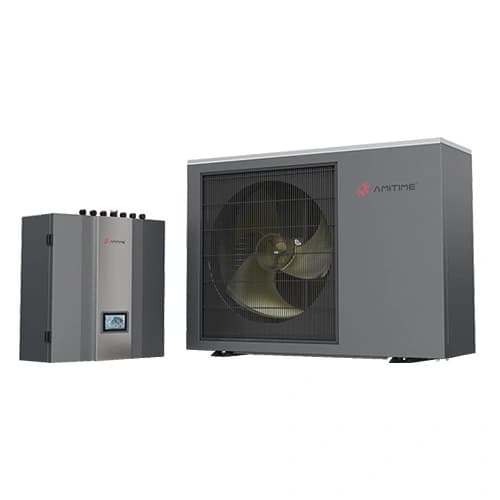
Heat pump technology has become an important part of the global transition toward more efficient and sustainable heating and cooling solutions. As homes, businesses, and industrial facilities look for ways to reduce energy consumption while maintaining comfortable indoor environments, modern heat pumps are gaining attention for their versatility and performance. Within this evolving sector, AMITIME represents an interesting name associated with innovation, technology, and the development of advanced heat pump solutions. By examining the principles behind modern heat pumps and their growing applications, it is possible to understand why this technology is becoming increasingly relevant.
Understanding Modern Heat Pump Technology
A heat pump is a system designed to transfer heat from one location to another rather than generating heat directly through combustion or electrical resistance. During colder months, a heat pump can extract available heat from an external source and transfer it indoors. In warmer weather, many systems can reverse the process, removing heat from indoor spaces and releasing it outside.
This basic principle allows heat pumps to provide both heating and cooling from a single system. Modern technology has improved this process through better compressors, advanced refrigerants, intelligent controls, and more efficient heat exchangers. These improvements help systems operate more effectively across a wider range of temperatures.
AMITIME innovations can be considered within this broader movement toward smarter and more adaptable heating technology. As the industry develops, manufacturers and technology providers are focusing on improving efficiency, reliability, user convenience, and environmental performance.
The Growing Importance of Energy Efficiency
Energy efficiency is one of the main reasons heat pump technology has attracted increased interest. Traditional heating systems may rely heavily on fossil fuels or direct electrical heating, while heat pumps transfer existing thermal energy. Depending on operating conditions and system design, this can significantly improve the amount of useful heating or cooling delivered relative to the energy consumed.
Modern heat pumps are increasingly designed to achieve strong seasonal performance rather than focusing only on maximum output under ideal conditions. This approach is important because real-world weather changes throughout the year. Variable-speed compressors and intelligent control systems allow equipment to adjust its operation according to actual demand.
Technological developments associated with AMITIME and the wider heat pump sector reflect a broader emphasis on reducing unnecessary energy use. Instead of continuously operating at full capacity, advanced systems can modulate performance to match the needs of a building. This can contribute to lower energy consumption, improved comfort, and potentially reduced operating costs.
Advanced Air Source Heat Pump Applications
Air source heat pumps are among the most widely recognized types of modern heat pump systems. They use outdoor air as a source of thermal energy and can be suitable for residential, commercial, and selected industrial applications.
One major advantage of air source technology is its flexibility. Unlike ground-source systems, air source heat pumps do not generally require extensive underground infrastructure. This can make installation more practical in locations where excavation is difficult or where available land is limited.
Modern air source heat pumps have also improved considerably in cold-weather performance. Advances in compressor technology, defrosting systems, and refrigerant management allow newer models to function more effectively in challenging climates. These developments are particularly relevant for regions that experience significant seasonal temperature changes.
The continuing evolution of AMITIME technology and similar innovations demonstrates how manufacturers are working to create systems that balance performance with practical installation requirements.
Heat Pumps in Residential Buildings
Residential heating and cooling is one of the most important application areas for heat pump technology. Homeowners increasingly want systems that can provide year-round comfort without requiring separate heating and cooling equipment.
A modern heat pump can potentially serve multiple purposes within a household. During winter, it can provide space heating, while in summer, a reversible system can provide cooling. Some advanced solutions can also be integrated with domestic hot water systems, creating a more comprehensive approach to household energy management.
Smart controls are another important development. Connected thermostats and intelligent monitoring systems allow users to adjust settings according to schedules, occupancy, and weather conditions. These features can improve comfort while helping households avoid unnecessary energy consumption.
For homeowners considering AMITIME-related heat pump solutions or other modern systems, factors such as building size, insulation quality, climate, equipment capacity, and installation design are all important considerations.
Commercial and Industrial Applications
The potential of heat pump technology extends well beyond residential buildings. Commercial properties such as offices, hotels, retail spaces, restaurants, and educational facilities often require efficient heating and cooling throughout the year.
In these environments, energy performance can have a major impact on operating expenses. Heat pumps may be integrated into centralized heating and cooling systems, helping businesses manage their energy use more effectively.
Industrial applications are also attracting growing attention. Many industrial processes produce or require heat at different temperature levels. Heat recovery heat pumps can sometimes capture otherwise wasted thermal energy and reuse it elsewhere in a facility. This approach can improve overall energy efficiency and reduce the need for additional heat generation.
Innovations connected to AMITIME and the wider industry may therefore contribute to a future in which heat pumps are used not only for building comfort but also as components of sophisticated energy management systems.
The Role of Smart Technology
Digitalization is changing how modern heating and cooling equipment operates. Heat pumps are increasingly equipped with sensors, communication systems, and automated controls that can monitor performance in real time.
Smart technology can help identify changes in operating conditions and adjust system performance accordingly. For example, a heat pump may automatically change its output based on indoor temperature, outdoor weather, or user preferences.
Remote monitoring can also make maintenance more proactive. Instead of waiting for a system to experience a major failure, connected equipment may provide information that helps identify unusual operating patterns. This can support earlier maintenance and potentially reduce downtime.
As AMITIME innovations and other industry developments continue, the integration of digital controls is likely to become even more important. The future of heat pump technology may involve closer connections between heating equipment, smart homes, renewable energy systems, and energy storage.
Heat Pumps and Renewable Energy
The relationship between heat pumps and renewable electricity is another important area of development. When powered by electricity generated from renewable sources such as solar or wind, heat pumps can become part of a lower-carbon energy strategy.
For example, a household with solar panels may use electricity generated during the day to operate a heat pump or produce hot water. In larger buildings, heat pumps can potentially be integrated with broader energy management platforms that coordinate heating, cooling, renewable generation, and storage.
This combination of technologies creates opportunities for more flexible energy consumption. As electricity grids become increasingly reliant on renewable generation, intelligent heat pump systems may play a role in balancing energy demand.
Choosing the Right Heat Pump Solution
Selecting a heat pump requires more than simply choosing a system based on its advertised capacity. Building characteristics, local climate, insulation, existing heating infrastructure, and expected usage patterns should all be considered.
Professional installation is equally important. Even highly advanced equipment may not deliver its expected performance if it is incorrectly sized or poorly installed. Proper system design ensures that the heat pump can operate efficiently while maintaining comfortable indoor temperatures.
Consumers exploring AMITIME solutions or comparable technologies should also consider factors such as seasonal efficiency, operating noise, warranty support, maintenance requirements, controls, and compatibility with existing systems.
The Future of Heat Pump Innovation
The future of heat pump technology is likely to focus on higher efficiency, improved cold-climate performance, intelligent automation, and broader integration with renewable energy. Research into alternative refrigerants may also help address environmental concerns associated with certain traditional refrigerants.
As buildings become more energy efficient and governments, businesses, and consumers seek cleaner energy solutions, demand for advanced heating and cooling technologies is expected to continue evolving. Heat pumps are positioned to play an important role because they can serve multiple purposes while supporting more efficient energy use.
AMITIME innovations fit into a technology landscape where performance and sustainability are increasingly connected. From residential heating and cooling to commercial facilities and industrial heat recovery, modern heat pump applications demonstrate the flexibility of this technology.
Ultimately, the development of heat pumps represents more than an improvement in heating equipment. It reflects a broader shift toward smarter, more efficient, and more integrated energy systems. As innovation continues, technologies associated with AMITIME and the wider heat pump industry may help shape how buildings and industrial facilities manage thermal energy in the years ahead.
