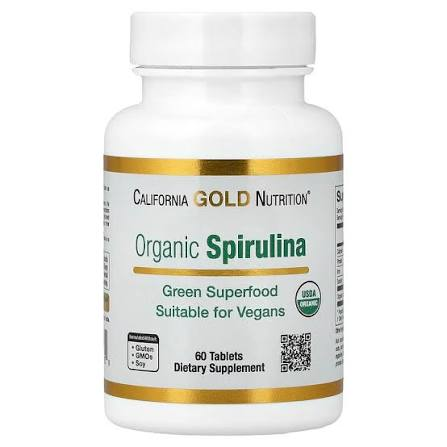
Introduction to Organic Spirulina
Organic spirulina has become increasingly popular among people looking for natural ways to support a balanced diet and healthy lifestyle. Known for its rich nutritional profile, spirulina is a Superfood Supplement type of blue-green cyanobacteria that grows in freshwater and other suitable aquatic environments. It has been consumed as a food source for many years and is now widely available as a dietary supplement in powder, tablet, and capsule forms.
The growing interest in organic spirulina comes from its combination of protein, vitamins, minerals, and naturally occurring antioxidants. People often add it to smoothies, juices, and other recipes to increase their nutrient intake. When sourced from reputable producers, organic spirulina can be a convenient addition to a varied and balanced diet.
Understanding its nutritional value, potential benefits, and proper selection can help consumers make informed decisions about including this superfood in their daily routines.
What Is Organic Spirulina?
Organic spirulina is spirulina cultivated and processed according to applicable organic production standards. These standards generally focus on responsible cultivation practices, approved inputs, and production methods that meet certification requirements. However, organic certification alone does not automatically guarantee that a product is free from every contaminant, so quality testing remains important.
Spirulina is naturally rich in protein and contains several other nutrients that contribute to its popularity. Its deep green-blue color comes from natural pigments, including chlorophyll and phycocyanin. Phycocyanin is particularly interesting to researchers because of its antioxidant properties.
Organic spirulina is available in several forms. Powder is suitable for mixing into beverages and meals, while tablets and capsules offer a convenient option for people who prefer not to taste the product directly. The best format depends on personal preferences, dietary habits, and the manufacturer’s instructions.
Nutritional Value of Organic Spirulina
One of the main reasons people choose organic spirulina is its concentrated nutritional content. Dried spirulina typically contains a high proportion of protein, although the exact amount varies by product and processing method.
A Source of Plant-Based Protein
Protein supports normal growth, tissue maintenance, and many essential functions in the body. Spirulina provides protein containing a range of amino acids, making it an interesting option for people following vegetarian or plant-focused diets.
Nevertheless, spirulina should complement rather than replace a varied selection of protein sources. Beans, lentils, nuts, seeds, eggs, dairy products, and other foods can contribute additional nutrients that spirulina may not provide in sufficient quantities.
Vitamins and Minerals
Spirulina contains various micronutrients, including iron and certain B vitamins, although their amounts differ among products. Its mineral content may make it useful as one component of a nutrient-rich eating pattern.
Consumers should not assume that spirulina supplies every essential nutrient. For example, spirulina does not provide a reliable source of vitamin B12 for meeting human requirements. People who need additional vitamin B12 should choose a verified source recommended by a qualified healthcare professional.
Naturally Occurring Antioxidants
Antioxidants help protect cells from damage associated with oxidative stress. Spirulina contains compounds such as phycocyanin and other pigments that have attracted scientific interest.
Although laboratory and early research findings are promising, more high-quality human studies are needed to establish the extent of spirulina’s health effects. Its antioxidant content should not be interpreted as proof that it prevents or treats specific diseases.
Potential Benefits of Organic Spirulina
Organic spirulina is often marketed for its nutritional qualities. Understanding what research supports can help separate reasonable expectations from exaggerated claims.
Supports a Balanced Diet
Adding a small amount of spirulina to a smoothie or meal can increase its protein and micronutrient content. This may be particularly convenient for people who want to explore plant-based nutritional options.
However, overall dietary quality matters more than relying on a single supplement. Eating a variety of fruits, vegetables, whole grains, protein-rich foods, and healthy fats remains an important foundation for general wellness.
May Support Normal Immune Function
The nutrients and antioxidant compounds found in spirulina are involved in processes that help the body function normally. Some research has investigated its possible effects on immune-related markers.
However, evidence remains limited, and spirulina should not be presented as a guaranteed immune booster or a treatment for infections. Good sleep, balanced nutrition, physical activity, and appropriate healthcare continue to play important roles in general health.
May Contribute to Healthy Energy Metabolism
The body uses nutrients such as iron and B vitamins in energy metabolism and other essential processes. Spirulina can contribute some nutrients to the diet, depending on the product.
It is important to distinguish nutritional support from an immediate energy effect. Spirulina is not a stimulant, and it has not been established as a reliable treatment for persistent fatigue. Ongoing tiredness may have several causes and should be discussed with a healthcare professional when necessary.
Supports Plant-Based Nutrition Choices
People interested in plant-based eating may appreciate spirulina as an additional source of protein and certain minerals. Its concentrated form also makes it easy to incorporate into small meals without significantly increasing food volume.
Still, a balanced plant-based diet requires multiple foods to supply the full range of essential nutrients. Spirulina works best as a supplement to those foods rather than as a replacement for them.
How to Add Organic Spirulina to Your Daily Routine
Organic spirulina powder is versatile and can be incorporated into different recipes. Beginners may prefer starting with a small amount according to the product label and adjusting their use based on taste and tolerance.
Blend It Into Smoothies
One popular way to consume spirulina is by blending it with bananas, berries, apples, or other fruits. Adding yogurt, milk, or a suitable plant-based alternative can create a more substantial snack.
Fruit can help balance spirulina’s distinctive earthy flavor. Combining it with other ingredients also makes it easier to include the powder in an established eating routine.
Mix It With Juice or Water
Spirulina powder can be stirred into water or juice, provided the product instructions allow this use. Because its flavor can be strong, consumers may want to experiment with different beverage combinations.
It is best to follow the recommended serving size rather than assuming that larger amounts will provide greater benefits.
Include It in Everyday Recipes
Some people mix small quantities of spirulina into salad dressings, dips, or other suitable recipes. It can also be added to certain soups or blended sauces, although heat and preparation methods may affect some nutrients.
The important point is to choose a method that fits personal preferences and makes consistent, sensible dietary choices easier.
How to Choose High-Quality Organic Spirulina
The quality of a spirulina product matters because algae and cyanobacteria can become contaminated during cultivation or processing.
Consider the following factors before purchasing:
- Organic certification: Look for a recognized certification appropriate to the country where the product is sold. Verify the certification when possible.
- Independent laboratory testing: Choose brands that provide credible testing information for heavy metals, microbial contamination, and cyanotoxins such as microcystins.
- Clear ingredient information: Products should identify spirulina clearly and disclose additional ingredients, fillers, or flavorings.
- Transparent sourcing: Reputable sellers should provide information about cultivation, processing, and quality-control procedures.
- Proper packaging: Choose sealed products with intact packaging, a clear expiry date, and suitable storage instructions.
- Realistic marketing: Be cautious of products claiming to cure diseases, produce instant results, or replace prescribed treatments.
A higher price does not necessarily mean better quality. Certification, transparent testing, and reliable manufacturing practices are more useful indicators when comparing products.
Safety Considerations and Possible Side Effects
Although spirulina is generally tolerated by many people, it is not suitable for everyone. Some users may experience digestive discomfort, nausea, or other unwanted effects.
Contamination is an important concern because poorly controlled products may contain harmful substances. Buying from a reputable manufacturer that performs appropriate testing can reduce this risk, although no supplement should be assumed to be completely risk-free.
People who are pregnant or breastfeeding, have an existing medical condition, or take regular medication should consult a qualified healthcare professional before using spirulina supplements. Anyone with a known allergy to spirulina or its ingredients should avoid the product.
People managing iron levels or taking medication that may interact with supplements should also seek professional advice. Spirulina should never replace prescribed medication or medically recommended treatment.
Organic Spirulina and a Sustainable Lifestyle
Interest in organic spirulina is also connected to wider discussions about sustainable food production. Spirulina can be cultivated efficiently under suitable conditions and offers concentrated nutrition in a relatively small quantity of dried material.
Nevertheless, the environmental impact of a particular product depends on several factors, including cultivation methods, water use, energy requirements, processing, packaging, and transportation. Organic labeling alone does not establish that a product has the lowest environmental footprint.
Consumers who value sustainability can investigate a company’s sourcing policies, production methods, packaging choices, and transparency before making a purchase.
Conclusion
Organic spirulina is a nutrient-dense food supplement that offers protein, selected micronutrients, and naturally occurring antioxidant compounds. Its versatility makes it easy to incorporate into smoothies, beverages, and everyday recipes, particularly for people interested in plant-based nutrition.
However, its potential benefits should be viewed realistically. Spirulina is not a miracle food, and research has not established that it can prevent or cure specific diseases. A varied diet, appropriate physical activity, and healthy daily habits remain essential for overall well-being.
When choosing organic spirulina, prioritize verified certification, independent contaminant testing, transparent sourcing, and clear product information. Used thoughtfully, high-quality organic spirulina can be a convenient addition to a balanced lifestyle.
