Introduction
Family entertainment centers have become popular destinations for parents and children looking for enjoyable activities in a comfortable and welcoming environment. These spaces provide opportunities for families to spend quality time together, celebrate special occasions, and enjoy recreational activities regardless of outdoor weather conditions. One of the most important elements of a successful family entertainment center is commercial indoor playground equipment, which transforms ordinary indoor spaces into exciting destinations filled with movement, exploration, and creativity.
From colorful climbing structures and interactive play panels to soft play zones and obstacle courses, modern playground equipment offers experiences for children of different ages and abilities. When thoughtfully selected and arranged, these attractions can make a venue more appealing to families while helping operators create a memorable customer experience.
Creating Exciting Play Experiences for Children
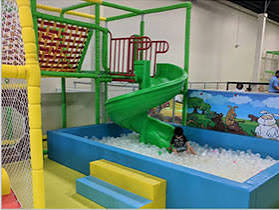
Children are naturally curious and enjoy environments that encourage them to explore their surroundings. Commercial indoor playground equipment provides a variety of activities that keep young visitors interested and entertained. Slides, tunnels, climbing walls, ball pits, and themed play structures introduce different challenges that encourage children to move, experiment, and discover new experiences.
A well-designed playground includes multiple activities rather than relying on a single attraction. For example, younger children may enjoy soft play blocks and gentle slides, while older children might prefer climbing nets, elevated walkways, and obstacle courses. This variety helps family entertainment centers accommodate different interests within the same venue.
Creative themes can make these play areas even more engaging. Jungle adventures, underwater worlds, space exploration, and colorful fantasy environments give children opportunities to use their imagination while enjoying physical activities. These themes also help create a distinctive atmosphere that makes a venue more memorable.
Encouraging Physical Activity and Healthy Development
Indoor playgrounds provide children with opportunities to stay active in an environment designed for recreational play. Climbing, crawling, balancing, jumping, and sliding involve different muscle groups and movement patterns. Regular participation in age-appropriate activities can support physical development and help children become more confident in their movement abilities.
Commercial indoor playground equipment can also encourage children to develop coordination, balance, and spatial awareness. Navigating an obstacle course, for instance, requires children to judge distances, plan their movements, and adjust their positions as they progress.
Indoor play areas are particularly useful when outdoor conditions are unsuitable for recreational activities. Rain, extreme temperatures, and limited outdoor space can make traditional playgrounds less convenient. Indoor facilities provide an alternative where families can enjoy active recreation throughout the year.
For entertainment center operators, offering a balanced selection of physical activities can help establish the venue as a destination that combines fun with opportunities for healthy development.
Bringing Families Together Through Shared Activities
Although children are the primary users of playground equipment, family entertainment spaces should also consider the needs of parents and caregivers. A welcoming environment allows adults to supervise children comfortably while enjoying time together.
Some playground designs include activities that parents and children can experience together. Interactive games, family challenge courses, cooperative puzzles, and accessible play stations encourage communication and shared problem-solving. These experiences can make visits more meaningful because families are not simply occupying the same space; they are creating memories through shared activities.
Seating arrangements also contribute to a positive experience. Comfortable seating near play zones allows parents to observe their children without feeling disconnected from the activity. Tables, refreshment areas, and designated gathering spaces can make longer visits more convenient.
When commercial indoor playground equipment is integrated with suitable family facilities, the entire venue becomes more attractive to visitors who want both entertainment and opportunities to spend quality time together.
Designing Play Zones for Different Age Groups
A successful family entertainment center needs to serve children with different developmental abilities and play preferences. Equipment designed for toddlers may not provide enough challenge for older children, while structures intended for older visitors may be unsuitable for younger users.
Creating separate or clearly defined play zones helps address these differences. Toddler areas can include soft flooring, low-height structures, sensory panels, and age-appropriate slides. Preschool and school-age children may benefit from more complex climbing frames, tunnels, bridges, and interactive obstacle courses.
Clear boundaries between play areas can help reduce congestion and make supervision easier. They also allow families to choose activities that match their children’s needs.
Accessibility should be another important consideration. Where practical, inclusive pathways, ground-level activities, sensory features, and equipment designed for different abilities can help more children participate in recreational experiences.
A carefully planned layout ensures that the playground remains interesting and welcoming without making the environment unnecessarily confusing or overcrowded.
Improving Safety and Comfort for Visitors
Safety is essential when designing any indoor play environment. Families are more likely to feel comfortable returning to a venue when they can see that the operator takes equipment quality, cleanliness, supervision, and maintenance seriously.
Commercial indoor playground equipment should be selected according to the intended age groups, expected visitor numbers, available space, and applicable safety requirements. Operators should work with reputable suppliers who can provide information about materials, installation procedures, inspection requirements, and relevant safety certifications.
Protective flooring, suitable barriers, secure connections, and properly designed climbing and sliding areas can help reduce foreseeable risks. Equipment should be installed according to manufacturer instructions, with sufficient clearance around moving activities and appropriate separation between different play zones.
Regular inspections are equally important. Staff should check for loose components, damaged padding, worn surfaces, and other problems that could affect safe operation. Cleaning schedules should cover frequently touched surfaces, play equipment, seating, and shared facilities.
Good ventilation, suitable lighting, comfortable temperatures, and clear visitor instructions further improve the overall experience. A clean, organized, and well-maintained environment gives families greater confidence in the facility.
Making Better Use of Available Indoor Space
Space planning has a major influence on how effectively a family entertainment center operates. A venue with limited floor area can still provide an engaging experience when its equipment is arranged thoughtfully.
Multi-level playground structures can use vertical space to accommodate climbing activities, tunnels, slides, and connected play platforms. However, these structures must be appropriate for the building, ceiling height, access requirements, and applicable safety standards.
Smaller venues may benefit from modular equipment that combines several activities within a compact footprint. Flexible layouts can also make it easier to update attractions or reorganize designated zones as customer preferences change.
Operators should consider more than the amount of equipment they can fit into a room. Clear walkways, emergency exits, accessible routes, staff visibility, and comfortable circulation areas are essential parts of an effective design.
A balanced layout creates a better experience for visitors and helps staff manage daily operations more efficiently.
Supporting Business Growth and Repeat Visits
Commercial indoor playground equipment can contribute to the long-term success of family entertainment centers by giving visitors compelling reasons to return. Children often enjoy revisiting familiar attractions, especially when the environment offers enough variety to support different activities during each visit.
Operators can strengthen this appeal by introducing seasonal decorations, themed events, special activity sessions, and updated play experiences. Birthday parties, school outings, family celebrations, and group visits can also create additional opportunities to use the facility.
A playground with a clear identity may help a business distinguish itself from competing entertainment destinations. Unique themes, thoughtful layouts, friendly service, and consistent cleanliness all contribute to the impression visitors form of the venue.
Customer feedback can help operators identify which attractions are most popular and where improvements are needed. Reviewing visitor comments, observing activity patterns, and monitoring maintenance requirements can guide future investments.
Although equipment quality is important, business success also depends on pricing, staffing, location, marketing, and operational management. A well-planned playground supports these efforts by creating an attractive foundation for the overall customer experience.
Choosing the Right Commercial Indoor Playground Equipment
Selecting appropriate equipment requires careful evaluation of the venue’s goals and target audience. Operators should begin by identifying the age groups they intend to serve, the number of visitors they expect, and the activities that best fit their entertainment concept.
Durability is another significant consideration. Commercial environments often experience frequent use, so equipment should be designed for the expected level of activity and supported by appropriate maintenance guidance. Materials should be suitable for indoor use and straightforward to clean according to manufacturer recommendations.
Installation services, warranties, replacement parts, and after-sales support should also influence purchasing decisions. A supplier that provides clear technical documentation and reliable assistance can help operators manage the equipment throughout its useful life.
Before making a final decision, businesses should compare equipment specifications, installation costs, maintenance needs, and available customization options. Planning for future expansion can also prevent unnecessary expenses if the venue grows or introduces additional attractions.
The best investment is not necessarily the playground with the largest structures. It is the solution that combines engaging activities, suitable capacity, practical maintenance, and a layout that supports the venue’s long-term objectives.
Conclusion
Commercial indoor playground equipment plays an important role in creating engaging family entertainment spaces where children can explore, stay active, develop skills, and enjoy imaginative experiences. By combining varied attractions with thoughtful space planning, inclusive activities, and strong safety practices, operators can build environments that appeal to families throughout the year.
The most successful indoor playgrounds balance entertainment with comfort, accessibility, cleanliness, and operational efficiency. Choosing suitable equipment and maintaining it properly can help businesses create memorable visits, encourage repeat customers, and establish a welcoming destination for families seeking enjoyable indoor recreation.