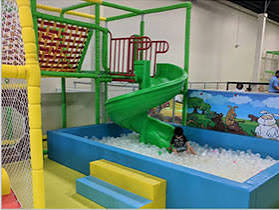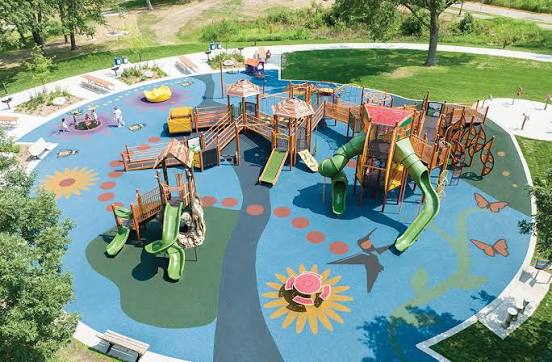
Public playgrounds are important community spaces where children can play, exercise, explore, and develop social skills. From neighborhood parks and schoolyards to recreational centers and public gardens, well-designed playgrounds provide opportunities for children to enjoy outdoor activities in a safe and engaging environment. However, selecting the right equipment requires careful consideration of durability, safety, maintenance, accessibility, and long-term value.
commercial playground equipment is specifically designed to accommodate frequent use in public environments. Unlike residential playsets, commercial installations must withstand heavier traffic, changing weather conditions, and continuous activity from children of different ages. Choosing high-quality equipment helps communities create attractive play areas that remain functional for years.
This guide explores the essential factors to consider when selecting durable playground equipment for public spaces.
1. Understand the Needs of Your Public Space
Before purchasing playground equipment, evaluate the location and the needs of the community. Every public space has different requirements depending on its size, expected number of visitors, available budget, and intended age groups.
For example, a small neighborhood park may benefit from slides, swings, climbing structures, and compact play systems. A large municipal park may require multiple play zones, inclusive equipment, interactive features, and activities suitable for different age groups.
Consider the following factors during the planning process:
- Available space: Measure the proposed installation area and account for safety zones, walkways, seating, and landscaping.
- Expected usage: Busy public parks require equipment designed for frequent and intensive use.
- Age groups: Select play structures appropriate for toddlers, preschoolers, and school-age children.
- Community preferences: Consult parents, caregivers, educators, and local residents to understand their expectations.
- Future expansion: Consider whether the playground may need additional equipment as the community grows.
Understanding these requirements makes it easier to choose equipment that provides lasting value and meets the needs of its users.
2. Choose Durable and Weather-Resistant Materials
Material quality plays a major role in determining the lifespan of playground equipment. Public installations are regularly exposed to sunlight, rain, wind, temperature changes, and sometimes snow or coastal conditions. Poor-quality materials can deteriorate quickly, increasing maintenance expenses and creating potential safety concerns.
Galvanized and Powder-Coated Steel
Steel is commonly used for support posts, climbing frames, swing structures, and other load-bearing components. Galvanized steel offers corrosion resistance, while suitable powder-coated finishes provide an additional protective layer and an attractive appearance.
For locations with high humidity or salty air, specify corrosion protection appropriate to the local environment. Regularly inspect exposed surfaces, joints, and fasteners for damage or rust.
High-Density Polyethylene
High-density polyethylene, commonly known as HDPE, is frequently used for playground panels, activity boards, and decorative components. Quality HDPE can resist moisture, is relatively easy to clean, and is available in different colors and shapes.
UV-stabilized materials are particularly useful in outdoor environments where prolonged sunlight can cause fading or degradation.
Treated Wood
Wooden playground equipment can offer a natural appearance that complements gardens and green spaces. However, it requires suitable treatment, careful construction, and regular inspections for splintering, decay, and structural deterioration.
Durable Plastics and Composite Materials
Commercial-grade plastics and composites can provide lightweight, colorful, and weather-resistant components. Buyers should confirm that the materials are intended for outdoor commercial applications rather than residential use.
3. Prioritize Safety Standards and Certified Design
Durability alone does not make playground equipment suitable for public use. Safety should remain a central consideration throughout the selection and installation process.
Look for manufacturers that provide clear documentation about their products, including relevant testing, material specifications, installation requirements, and maintenance recommendations.
Depending on the country and project requirements, applicable standards may include ASTM F1487 for public playground equipment, relevant CPSC playground safety guidance in the United States, or EN 1176 standards in many European markets. Verify the current applicable requirements with the responsible authority or a qualified playground safety professional.
Important safety considerations include:
- Rounded edges and appropriately finished surfaces.
- Secure fasteners and protected connection points.
- Guardrails and barriers where required.
- Age-appropriate climbing heights and play challenges.
- Suitable spacing between moving and stationary components.
- Properly designed fall zones and protective surfacing.
- Equipment layouts that minimize foreseeable collision hazards.
Ask suppliers for evidence supporting their safety claims rather than relying exclusively on advertising statements.
4. Select Equipment That Encourages Active Play
A successful playground offers a variety of activities that support physical development, creativity, and social interaction. Selecting several complementary equipment types can make a public space more appealing to a wider range of children.
Popular options include:
Slides and Climbing Structures
Slides encourage movement and provide enjoyable play experiences. Climbing walls, nets, and ladders help children develop coordination, balance, and strength when appropriately designed for their intended age group.
Swings and Spring Riders
Swings provide movement-based play, while spring riders introduce smaller children to interactive outdoor activities. Choose commercial-grade components and inspect moving parts regularly.
Multi-Play Systems
Multi-play systems combine features such as platforms, bridges, slides, and climbing elements within a coordinated structure. They can make efficient use of available space while offering several activities.
Interactive Play Panels
Panels featuring puzzles, sensory activities, or educational games provide alternatives to climbing and running. These additions can encourage imaginative play and support different developmental needs.
The best combination depends on the community, site layout, age groups, and budget rather than the number of features alone.
5. Make Accessibility and Inclusive Play a Priority
Public playgrounds should welcome children with different abilities and support participation wherever reasonably possible. Inclusive design improves the usefulness of a playground for children, parents, caregivers, and other visitors.
Consider accessible routes, appropriate transfer platforms, ground-level activities, sensory play panels, and seating areas for caregivers. Depending on the project, accessible swings and other specialized equipment may also be suitable.
Plan routes and play zones so that visitors can move through the space without unnecessary barriers. Where applicable, review accessibility requirements under local building codes and standards such as the ADA in the United States.
Inclusive playground design does not require every child to use every piece of equipment in the same way. Instead, it creates multiple opportunities for children with different abilities to participate, explore, and interact.
6. Evaluate Installation Requirements and Ground Preparation
Even high-quality equipment can perform poorly if it is installed incorrectly. Proper installation helps maintain structural stability, supports safe operation, and protects the long-term investment.
Before installation, assess soil conditions, drainage, underground utilities, access routes, and the available space. Standing water can contribute to corrosion, damage certain surfaces, and make play areas less usable.
Protective surfacing is another essential consideration. Options include engineered wood fiber, suitable rubber surfacing, and other tested materials designed for playground use. Each option has different installation, accessibility, drainage, and maintenance requirements.
The surfacing system must be appropriate for the equipment’s potential fall heights and meet relevant impact-attenuation requirements. Installation should follow the manufacturer’s instructions and applicable local standards.
For complex public projects, using qualified installers can help prevent alignment problems, loose connections, inadequate foundations, and other avoidable issues.
7. Compare Long-Term Costs Instead of Purchase Prices Alone
Budget planning should account for the total cost of ownership rather than focusing only on the initial purchase price.
Lower-priced equipment may appear attractive, but frequent repairs, replacement components, difficult cleaning, and premature deterioration can increase expenses over time.
When comparing suppliers, consider:
- Initial equipment and delivery costs.
- Site preparation and installation expenses.
- Protective surfacing requirements.
- Inspection and maintenance schedules.
- Availability and cost of replacement parts.
- Warranty coverage and exclusions.
- Expected service life under local conditions.
Request written quotations that clearly identify included components, installation services, warranty terms, and ongoing maintenance recommendations.
A slightly higher initial investment may offer better long-term value when the equipment has robust construction, replaceable components, and reliable manufacturer support.
8. Establish a Regular Maintenance and Inspection Plan
Routine maintenance helps extend equipment life and identify developing problems before they become serious.
Public playground operators should establish a documented inspection schedule based on manufacturer recommendations, applicable standards, usage levels, and environmental conditions.
Regular checks should cover structural supports, fasteners, welds, chains, swing seats, slides, protective coatings, and surfacing. Look for corrosion, cracks, sharp edges, loose components, vandalism, and signs of excessive wear.
High-traffic playgrounds may need more frequent inspections than smaller facilities with limited use. Additional checks are also advisable after severe weather or reports of damage.
Keep records of inspections, repairs, and replaced components. If equipment presents an immediate safety concern, restrict access to the affected area until it has been assessed and repaired by a qualified person.
A consistent maintenance plan protects users while helping public authorities manage costs and preserve the playground’s appearance.
9. Choose a Reliable Commercial Playground Equipment Supplier
The supplier you choose can influence the quality, safety, and long-term performance of the entire project.
Look for manufacturers or distributors with experience in public installations, transparent product specifications, and a clear understanding of relevant safety requirements.
Ask potential suppliers about material quality, weather resistance, installation support, replacement-part availability, warranties, and recommended maintenance procedures. Request references or examples of completed projects when possible.
It is also useful to compare product documentation and service commitments across multiple suppliers. A reliable partner should explain both the benefits and limitations of its products instead of making unrealistic promises about lifespan or maintenance-free operation.
Clear communication before purchasing can prevent misunderstandings and make future repairs or upgrades easier to manage.
Conclusion
Selecting durable commercial playground equipment for public spaces requires a balanced approach to material quality, safety, accessibility, functionality, installation, and long-term maintenance. By evaluating the community’s needs and choosing equipment designed for demanding outdoor environments, project planners can create playgrounds that remain enjoyable and practical for years.
Prioritize weather-resistant materials, verify applicable safety requirements, invest in appropriate protective surfacing, and establish a reliable inspection schedule. Comparing the total cost of ownership and working with an experienced supplier can further improve the project’s long-term value.
Ultimately, a well-planned public playground is more than a collection of slides and climbing structures. It is a valuable community asset that encourages active lifestyles, supports childhood development, and provides welcoming opportunities for children and families to enjoy shared outdoor spaces.